

 The Hotelpedia
HOSPITALITY – Luxury Travel: It’s Not About the Destination, It’s About How It Makes You Feel
The Hotelpedia
HOSPITALITY – Luxury Travel: It’s Not About the Destination, It’s About How It Makes You Feel
HOSPITALITY – Luxury Travel: It’s Not About the Destination, It’s About How It Makes You Feel
September 12, 2024
The age of luxury travel isn’t just about plush pillows and fancy champagne anymore. It’s about how the experience shifts your perspective, fuels your story, and stays with you long after you’ve unpacked. My latest article explores the evolution of what true luxury means today: emotional, personal, and undeniably rare.
Check it out my latest for a fresh take on how travel isn’t just about where you go, but how it makes you feel.
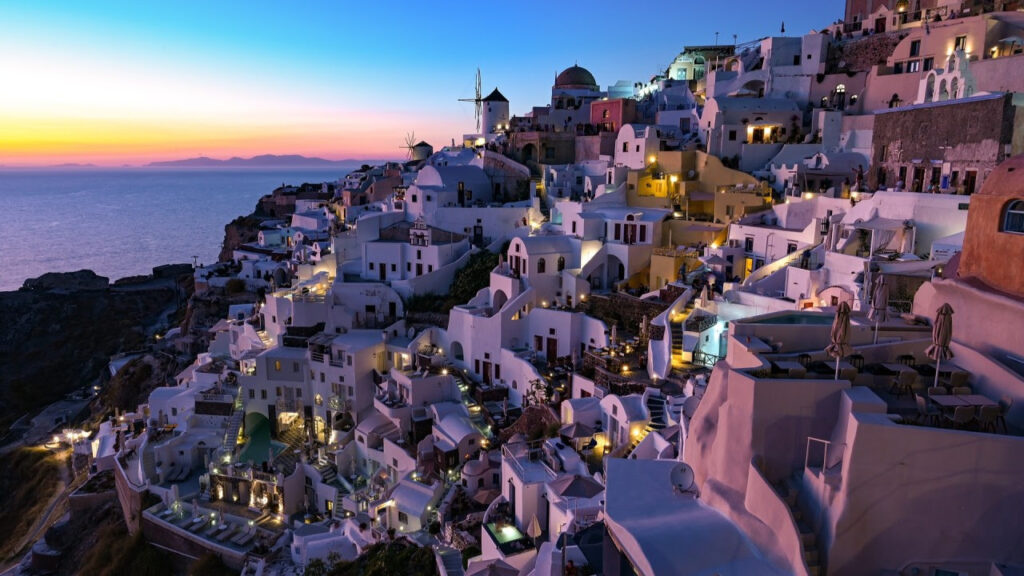
The luxury traveler isn’t just on a quest for opulence—they’re searching for experiences that shift their worldview, fuel their personal narratives, and offer a rare blend of adventure and self-discovery. It’s not about offering them a suite upgrade or a butler on arrival; it’s about crafting a moment that will resonate deeply, long after their journey ends.
In today’s market, the psychology behind luxury travel has evolved. No longer content with just material indulgence, today’s affluent consumers—many earning upwards of $300,000 annually—are driven by emotional needs. They want personalized, immersive, and unique experiences. It’s not the room or the view, but how the experience makes them feel that justifies the price tag.
The quest for exclusivity is the foundation of modern luxury travel. These travelers are seeking out hidden gems, cultural immersions, or thrilling adventures, each designed to set them apart from the crowd. Whether it’s a private museum tour in Florence, a high-end safari in Kenya, or a rejuvenating wellness retreat tucked away in the Swiss Alps, these experiences are carefully curated to provide the kind of self-reflection and status signaling that luxury travelers crave.
A critical element driving this desire is the emotional reward attached to luxury. The affluent traveler isn’t simply showing off wealth but is engaging in what biologists call “costly signaling“—demonstrating status through rare and extravagant experiences. It’s a dance of social status and self-expression, where the trip becomes part of the traveler’s identity.
This emotional pull is why luxury brands have shifted their focus to personalized, immersive experiences. Whether it’s a safari company creating bespoke tours based on deeply-researched personas, or hotel brands that track guest preferences to tailor each stay, it’s all about giving the traveler something that feels both intimate and irreplaceable. These guests expect VIP access, behind-the-scenes glimpses, and storytelling that taps into their passions.
The recession has also impacted luxury travel behaviors, pushing affluent consumers away from materialism and into a space where experiences matter more than things. An increasing number of these travelers are more focused on wellness journeys, adventure tourism, and immersive cultural experiences than ever before.
The next big challenge for luxury travel providers? Innovating and keeping up with this need for authenticity. The travel experience must feel transformative, giving the guest a new perspective on themselves and the world.
In the world of luxury, it’s about more than a beautiful destination or flawless service—it’s about offering a journey that’s emotionally, socially, and psychologically enriching. And that’s the ultimate luxury: something money can’t quite buy but can certainly inspire.
Source:Hospitality Network
September 2024
Related Updates