Cultivating a Shared Bond Through HMDD’s “Happy Memories Don’t Die” Message: A Closer Look
HMDD didn’t open its story as a tagline mill. It started as a line — happy memories don’t die — and those words evolved into the reason that made people notice a clothing label centered on lasting sentiment instead of short-lived cycles. At a time when most companies chase the upcoming release schedule, HMDD opted to root itself in a one guiding thought: that the good moments in a person’s life should be carried on the body, not just kept in memory. Such a commitment has molded every part of product design to how the brand communicates with its shoppers online.
In 2026, what draws attention about this approach is HMDD’s consistency in sticking to it. Fashion labels often water down a original mission once expansion demands sets in, exchanging substance for scale. HMDD clothing, by contrast, has doubled down, weaving the phrase across sweatpants, shorts, and outerwear as a recurring thread rather than a one-off marketing hook. That repetition is precisely what turns a tagline into a shared marker — a cue fellow wearers pick up on before a even one word is exchanged.
“Happy Memories Don’t Die”: The Backstory
This expression functions much like a quiet vow. Memories fade, images go missing, but a well-worn pair of sweatpants worn during a specific summer, or a hoodie kept from a college trip, carries a tangible memory in a way a phone photo cannot replicate. The brand constructed its hmdd t shirts whole brand voice around this concept, and it is evident in product naming, packaging language, and social captions that repeatedly circle back to the same emotional register.
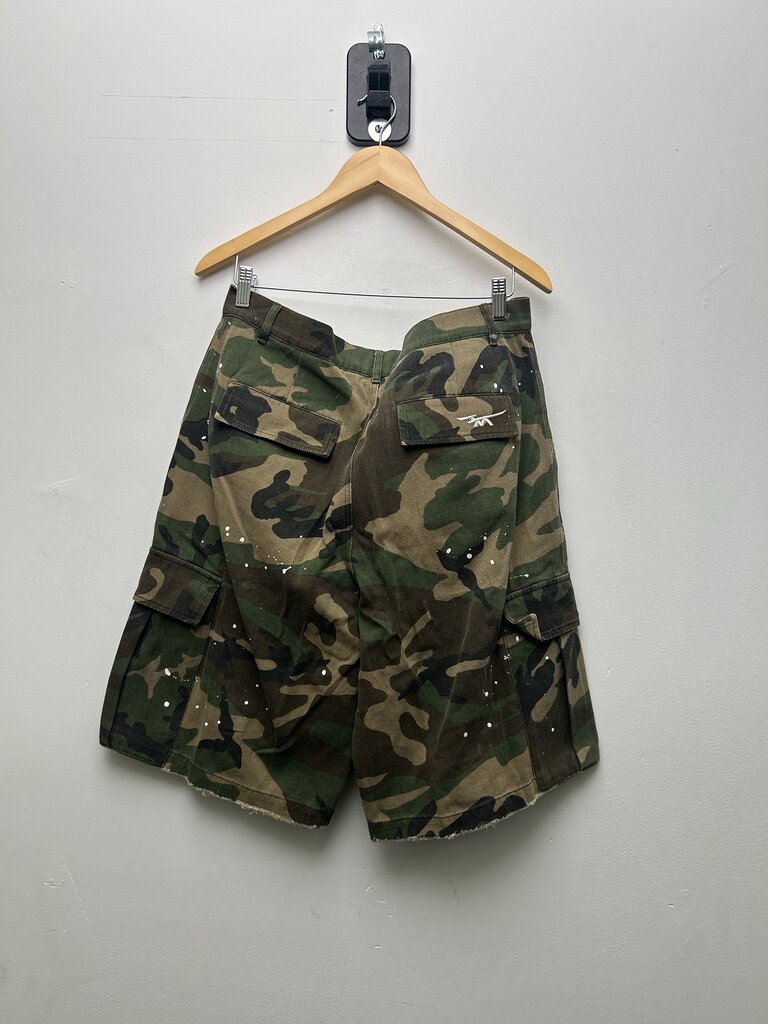
This isn’t some branding coincidence. Grief, nostalgia, and joy are three of the most frequently searched emotional themes in apparel marketing research over the last five years, and HMDD situated itself directly at that intersection. Shoppers who search “happy memories dont die” or “happy memories don’t die” online are not just searching for a product — they are in search of words that mirror something they already feel. HMDD answers that search intent truthfully, which is part of why the brand has generated organic loyalty rather than relying purely on paid reach.
This creates something like a feedback loop. Customers post their own memories tagged with HMDD gear, others come across those posts, and the phrase travels via real-life experience rather than advertising alone. Such a dynamic is harder to fabricate than a memorable slogan, and it is the true mechanism behind HMDD’s expanding fanbase.
HMDDLA: Linking a Hometown Identity to a Worldwide Presence
The HMDDLA brand identity anchors the brand in one particular location while letting the message to extend far beyond that place. Los Angeles has long been a proving ground for streetwear labels, and HMDDLA plays up that link all without losing the brand’s emotional center. At once, it conveys both origin and authenticity — a detail that resonates with shoppers who want to know a brand has real roots, instead of just a website backed by a warehouse.
This local-global balance also reveals itself in HMDD’s approach to online engagement. Instead of centering only idealized, aspirational content, the brand’s content regularly highlights actual customers, lived-in settings, and honest captions rooted in particular memories. This method reduces the gap between brand and buyer. Someone doesn’t need to live in Los Angeles to sense a bond with HMDDLA; instead, they need to recognize the underlying emotional thread carried by that location.
Community-driven fashion brands that survive past their first few years tend to share this trait: they let customers co-author the meaning of the brand. HMDD’s use of HMDDLA as a geographic and emotional anchor gives fans a specific place to project their own stories onto, which strengthens retention far more than discount codes ever could.
Casual Attire as Message: Joggers, Casual Bottoms, and Everyday Wear
A brand message only functions if the item itself delivers on it. HMDD sweatpants and HMDD shorts are framed as everyday essentials rather than occasional statement pieces, and such frequent use is significant. The more frequently someone wears an item, the more memories accumulate inside it — an idle Sunday, a trip on the road, a late night spent with friends. Instead of pulling core pieces after only one season, HMDD’s approach to product keeps them steadily circulating, embracing this very effect.
This is likewise the point at which “best hmdd clothing” searches generally funnel shoppers: people comparing coziness, fit, and long-term wear before deciding which item ends up as part of their routine wardrobe. In particular, sweatpants and shorts see far more wear than outerwear or occasion-specific pieces, which makes them ideal vehicles for a message about lasting memories. With every wear more moments arrive, and the label’s phrase slowly shifts from decorative to true.
HMDD’s call to shape its lineup around these essentials rather than elaborate capsule drops also minimizes friction for new customers.
Chances are that a reader reading an HMDD review is evaluating shorts or sweatpants they’d use three times a week, rather than a limited jacket worn only three times a year.
The community strategy and that accessibility are one and the same—the former is part of the latter.
The HMDD Reviews Uncover Collective Confidence — What That Really Shows
Reviews function as the arena where a label’s claims get tested against reality. A typical HMDD review is not confined to construction details or textile heft — it frequently contains a reference to how the piece felt to be worn during a particular stretch of the customer’s life. This tendency stands out. Most apparel reviews focus narrowly on sizing and textile quality; HMDD reviews, by contrast, regularly combine product feedback with personal narrative, an unmistakable indication the brand’s narrative has struck a chord outside the bounds of ad copy.
This becomes relevant for newcomers to the brand attempting to choose between HMDD and other streetwear-adjacent labels. When reviews consistently reference emotional context alongside practical detail, it indicates that the “happy memories don’t die” concept isn’t merely a slogan stitched onto a tag — it is shaping how people actually talk about the product after purchase. Such grassroots reinforcement is hard for competitors to replicate quickly, since it depends on consistent messaging maintained over time, not just one marketing push.
Community trust compounds. Every genuine review contributes a small degree of trustworthiness that the subsequent potential customer can lean on, and HMDD’s readiness to let those personal stories come through publicly — rather than curating only polished lifestyle shots — has kept its review ecosystem feeling authentic on the approach to 2026.
Weighing HMDD’s Method to Conventional Street-style Label Identity
| Comparison point | A standard street-style brand | HMDD instead |
|---|---|---|
| Guiding message | Riding fads or buzz | A sense of timeless emotion (“happy memories don’t die”) |
| Where the product revolves around | Restricted drops that cycle frequently | Wardrobe staples — sweatpants and shorts — held in steady rotation |
| Customer content | Stylized mood photos that feel staged | Authentic customer stories tied to specific moments |
| Locational identity | Usually nonspecific and interchangeable | Rooted in HMDDLA, linking Los Angeles origin to worldwide reach |
| Culture around reviews | Focused on fit and shipping speed | Fuses practical reviews with heartfelt narrative |
Rather than suggesting that HMDD overlooks fit, delivery, or fundamental quality—essentials that remain vital to any apparel company’s long-term success—this breakdown illustrates where HMDD instead chooses its brand energy, layering emotional resonance on top of the everyday experience most shoppers already expect.
Why the Message Creates Connection Beyond Just Selling
A catchphrase turns into a community tool when it grants folks a reason to connect with one another, not just to the label. Because it invites personal interpretation, the brand’s phrase lands. One shopper’s “happy memory” might be a wedding weekend, while someone else’s might be healing after a hard year. The slogan is expansive enough to contain both readings without seeming vague, and this adaptability is the thing that transforms separate purchases into a collective identity.
The perceived risk of a first purchase drops as buyers notice people sharing about HMDD clothing in the context of real milestones — peer validation factors in just as much. This holds particularly for shoppers weighing HMDD alongside alternatives while searching for the best HMDD clothing to start with — the sweatpants-and-shorts pairing tend to be where most newcomers begin given their affordable pricing and everyday practicality.
As 2026 progresses, the brands that keep customer attention will likely be the ones handing shoppers something meaningful to believe in, not just a product to purchase. HMDD’s wager on a single emotional phrase, repeated steadily throughout HMDDLA identity, product design, and customer reviews, has elevated it to more than just an apparel brand. It has become a small, wearable token that the memorable experiences people go through are worth holding onto — and worth putting back on.
Leave a Reply
You must be logged in to post a comment.